

Founders Club Membership
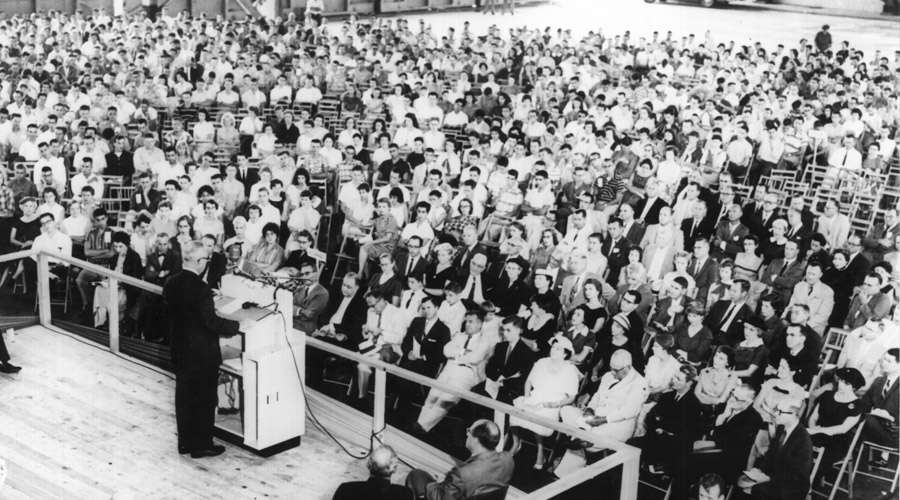
Membership in the Founders Club is extended to all individuals and families who support the purpose of the Club “to strengthen and support the University, its academic enterprise, and its position in the greater New Orleans community.”
The Charter Members of the Founders Club are faculty and staff members who were employed by the University prior to June 8, 1962.
Membership dues are $25 per INDIVIDUAL or $35 per FAMILY (two people in the same household) and is valid for one (1) year. Membership is complimentary for Charter Members.
SAVE THE DATE
Next Luncheon
September 10, 2026
Our Activities
- Annual Business Meeting and Luncheon to commemorate the founding of the University
- Homer L. Hitt Presidential Lecture Series
- Social Events - Annual Christmas Party
Homer L. Hitt Presidential Distinguished Lecture
DATE & TIME:
April 9, 2025 | 7 p.m.
(reception starting at 6 p.m.)
LOCATION:
Homer Hitt Alumni & Visitors Center at UNO, 2nd Floor Ballroom
FREE & OPEN TO THE PUBLIC
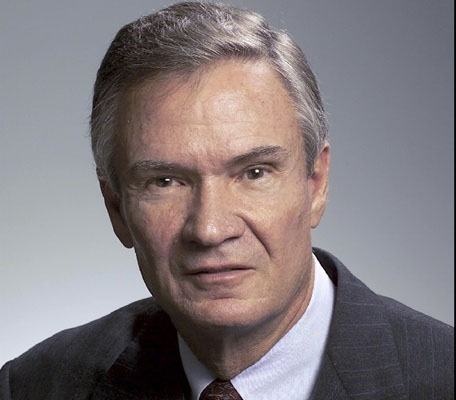
Featuring Former US Senator John Breaux
John Berlinger Breaux was born on March 1, 1944, in Crowley, Louisiana, into a family deeply rooted in the Cajun culture of southwestern Louisiana. Growing up in this predominantly French-speaking region, Breaux developed an appreciation for Louisiana's unique cultural heritage that would later influence his political career. He attended the University of Louisiana at Lafayette (then known as the University of Southwestern Louisiana), where he earned his bachelor's degree in 1966, followed by a law degree from Louisiana State University Law School in 1968.
Before entering Congress, Breaux worked as an attorney in private practice and quickly became involved in local Democratic politics. His early career was marked by his ability to connect with constituents across Louisiana's diverse cultural and economic landscape, from the Cajun communities of Acadiana to the urban centers of New Orleans and Baton Rouge.
Throughout his Senate tenure, Breaux was instrumental in crafting several significant pieces of legislation, particularly those related to Medicare reform and tax policy. He co-chaired the National Bipartisan Commission on the Future of Medicare and was a key figure in Social Security reform discussions during the 1990s and early 2000s.
John Breaux represented a distinctive brand of Southern Democratic politics that emphasized pragmatism over ideology. His approach to governance reflected the complex political landscape of Louisiana, where economic interests often transcended traditional party lines. Breaux's ability to build coalitions across party boundaries made him an influential figure during an era of increasing political polarization.
His retirement in 2005 marked the end of an era for Louisiana Democrats, as the state's political landscape shifted increasingly toward Republican dominance in federal elections. Breaux's centrist approach and willingness to compromise became less common in American politics following his departure from the Senate.
Beyond his legislative work, Breaux was known for his storytelling ability and his deep knowledge of Louisiana's cultural traditions. He often incorporated his Cajun heritage into his political persona, helping to bring national attention to Louisiana's unique cultural identity. After retiring from the Senate, Breaux founded a lobbying firm and remained active in Democratic politics, occasionally serving as an elder statesman for the party's moderate wing.